
Swift justice for High Peak campaigners as backlash forces Network Rail to reopen birds' nests
High Peak birdwatchers have welcomed Network Rail’s decision to reopen nesting holes used by endangered swifts after a campaign which attracted huge public support from across the country.
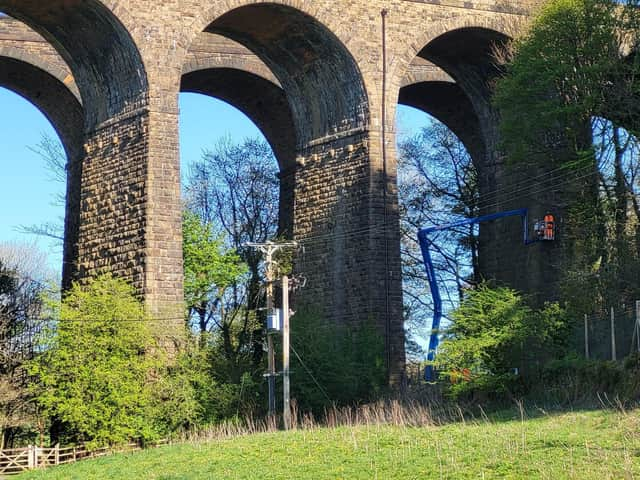
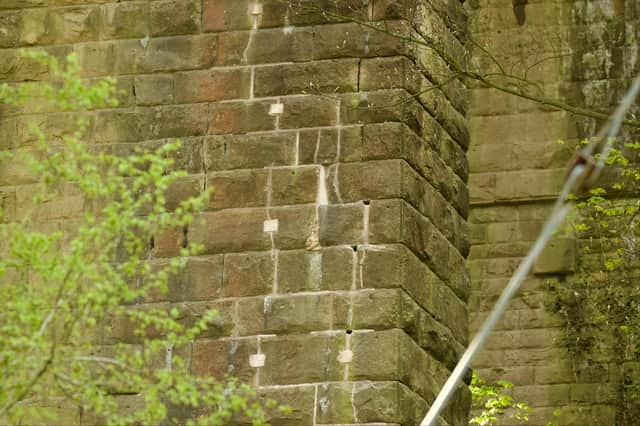
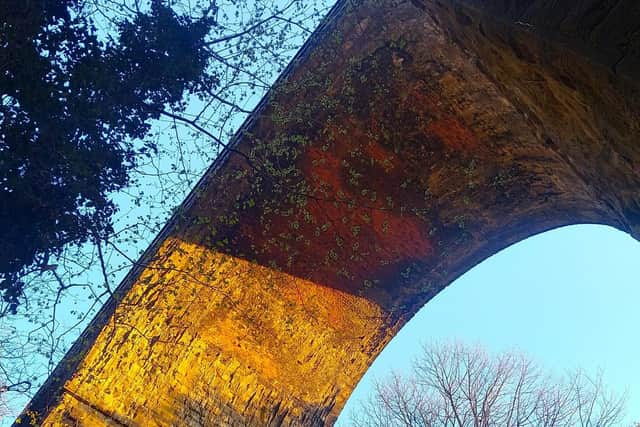
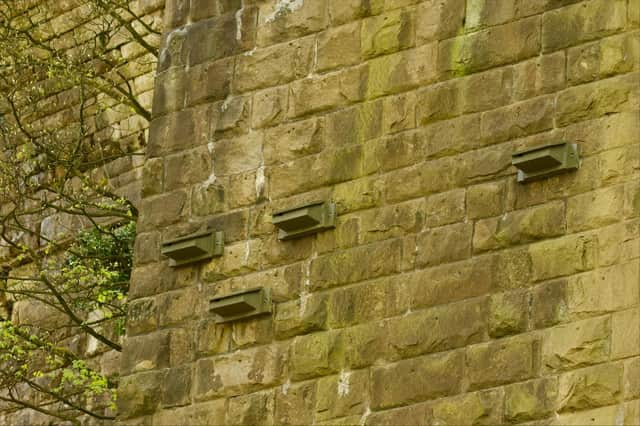
As previously reported, the rail infrastructure body filled in the holes with mortar during repair work to the 160-year-old Chapel Milton viaduct, despite evidence presented by local residents that birds had been seen nesting there in previous summers.
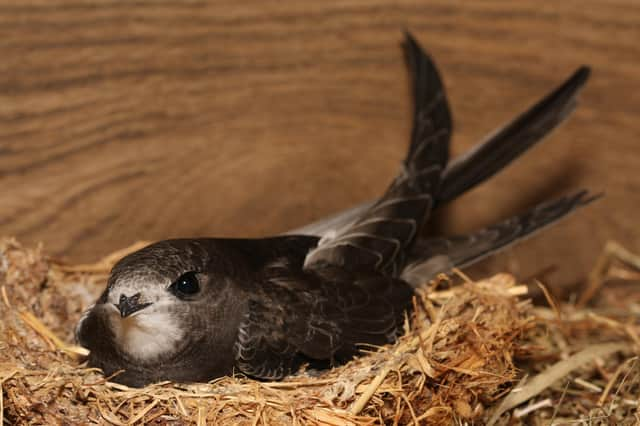

Following an initial flurry of news reports on the situation, Network Rail committed to install dedicated nesting boxes in the area – a concession which would do little to help the six evicted swifts, whose homing instincts are so bound to previous nests that they can die repeatedly trying to access blocked entrances and would likely fail to breed.
Criticism continued to mount, drawing in national charities, high profile campaigners and a petition signed by some 14,000 people, until Friday, April 24, when the holes were reopened just a few hours after High Peak Borough Council granted the necessary permission for work on the listed structure.
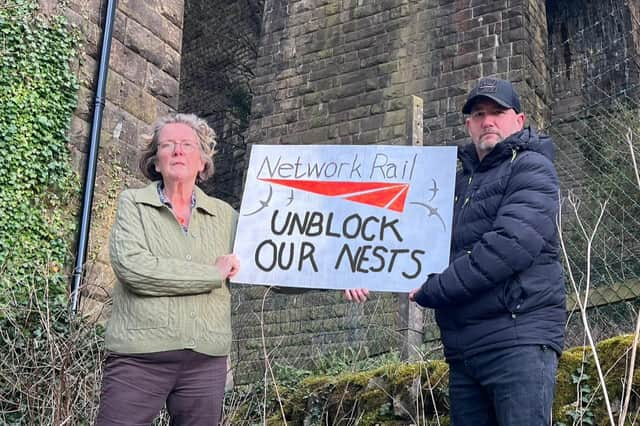
Deb Pitman, a volunteer activist at Derbyshire Swift Conservation, was the first to highlight the birds’ presence at a Network Rail public consultation event before the viaduct refurbishment began in early 2025 and led a determined fight to make the birds heard.
She said: “I’m delighted that my passion for swifts, and the work of Chapel Biodiversity Group, led to pressure that Network Rail couldn’t ignore.
“These birds are a miracle in the skies. They’re the fastest birds in level flight and they’re in the air for nine months every year. Over the course of their lifetime they’ll travel the distance to the moon and back several times, and they’ve been around since the dinosaurs.
“I think the public support shows that when there are so many dreadful things happening in the world, it was simply mindlessness to ignore the needs of three nesting pairs.
“We told Network Rail where those sites were and for whatever reason they didn’t value that information and mortared them up anyway.”
Representatives for Network Rail previously insisted they could not reopen the holes without compromising the structural safety of their repair work, and had commissioned extensive expert ecological surveys which found no evidence of nesting in the part of the viaduct in question – both arguments much disputed.
The Buxton Advertiser asked Network Rail whether it still stood by its previous claims following its U-turn, and a spokesperson did not not answer the question directly.
They said only: “We know how strongly people, locally and nationally, feel about the swifts at Chapel Milton viaduct as we approach nesting season. This is a concern we recognise and respect.
“High Peak Borough Council confirmed to us that we would not need listed building consent to re-open holes in the viaduct on Friday afternoon. Soon after, our contractors were able to carefully drill and re-opened the holes.
“We recognise how emotive this issue has been and there is learning for us here, which we will take forward as part of our longer‑term approach.”
Following a population decline of around 68 per cent since 1995 – partly attributed to widespread loss of nesting sites – there are an estimated 59,000 pairs of swifts nesting in the UK each year.
They have been placed on the Red List of Birds of Conservation Concern in the UK and are their nests protected by law, but this situation should be resolved without further litigation.
A spokesperson for British Transport Police said: “Our investigation found that in this case there was not sufficient evidence that could amount to criminal charges. As it stands, we will be taking no further action in the criminal case, however this will be reassessed should new evidence come to light.
“Our wildlife crime team are working with Network Rail to implement a wildlife action plan for swifts returning to the railway viaduct. This will involve short and long-term measures to safeguard habitat whilst maintaining structural safety.”
Reflecting on the lessons that ought to be learned from the experience, Deb said: “My advice to Network Rail is that they should listen to people who understand the ecology on the ground and the habitats where they’re going to undertake work. If they’d listened to us, they would have avoided they massive reputational damage they have now suffered.
“There is an issue for High Peak Borough Council to consider too, as they only ever required listed planning consent. They may say they followed national guidance but if that viaduct was a house, proper ecological surveys would have been mandatory.”
Having migrated to Africa for the winter, swifts are expected to return to the skies of Derbyshire over the next few weeks and remain here for around three months to breed.
Volunteer groups will once again be monitoring their presence, and carrying out surveys across local communities to track the colony’s development and how best to support its growth.
Deb said: “Two were seen over Chapel yesterday, but we don’t know whether they were ‘our’ swifts or on their way somewhere further north. None have been seen at known nesting sites yet, but they will be here any day now so Network Rail have mobilised just in the nick of time.”
Residents who would like to learn more about their flying summer visitors can get involved in that conservation work via a number of community organisations.
For more information in the High Peak, find Buxton Civic Association, Buxton Field Club, Whaley Wild, Chapel-en-le-Frith Biodiversity Group and Nature New Mills on Facebook.