
London’s Natural History Museum grants £3k for new Buxton climate change project
Buxton Civic Association is one of eight groups across the country which has been given £3,000 funding for a new climate change programme.
Following record-breaking heat across the UK this summer, the Natural History Museum is aiming to create advocates for the planet by sparking action to improve health outcomes in a changing climate.
Now, the Museum is working with the Wellcome to run a new structured programme of the existing Interconnected initiative, which funds UK museums and cultural practitioners to deliver activities exploring the planetary emergency.
Through this initiative, which is part of the Museum’s Fixing Our Broken Planet Programme, grants of £3000 will be given to eight cultural organisations across the country working with young people to participate in an online learning programme together. This learning process will lead to the development of events and activities exploring opportunities for health action in a changing climate.
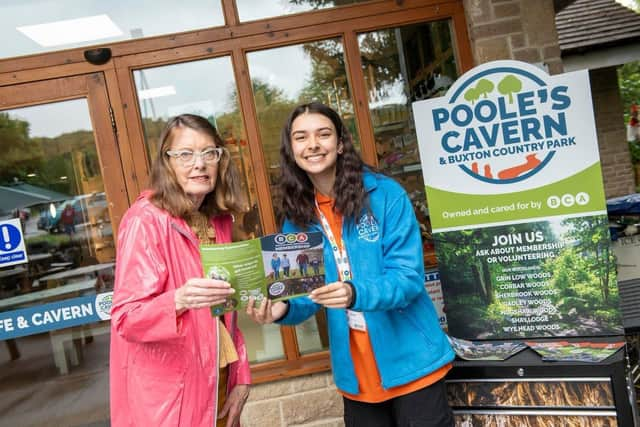

Buxton Civic Association will be using the funding for a youth-led project exploring how human activity has shaped Grin Low, one of Buxton’s most significant landscapes.
Working with young people aged 13–25, Buxton Civic Association will use biodiversity surveys, heritage research, digital storytelling and creative workshops to investigate the connections between industry, biodiversity, nature recovery and climate resilience.
Building on the Woodland Watch citizen science platform and Grin Low Heritage Trail, participants will explore how past environmental impacts continue to shape the landscape and what this can teach us about today’s climate and biodiversity challenges.
The project will culminate in Roots of Recovery, a community exhibition co-created by young people.
Tom Bevan, Head of National Programmes at the Natural History Museum, said, “Having new partners join our Interconnected Programme means even more young people will be able to take part, and see how the climate and biodiversity crises are affecting the places that are important to them.
“By inspiring their communities to become advocates for the planet, they will drive the changes needed to ensure both people and planet can thrive going forward.”
Sian Bird, Head of Cultural Partnerships at Wellcome, added: “The Interconnected Programme will help organisations across the UK create locally-relevant activities that reflect real, human experiences – inspiring collective action for a healthier future.”