
Derbyshire council indicates preference for proposed super council despite some councillors’ concerns
Derbyshire County Council has formally agreed despite opposition councillors’ concerns that its preferred option under Government plans to restructure Local Government is for a single unitary authority that could see a new mayor and district and borough councils merged.
The Labour Government’s Local Government Reorganisation White Paper proposals include potentially setting up single, unitary authorities across England with elected mayors in county areas by merging or scrapping councils in two-tier authority areas like Derbyshire that operate county, and then district and borough councils.
Conservative-controlled Derbyshire County Council voted and approved its LGR report plan at a council meeting on February 12 for the council to adopt a proactive approach while working with other councils to approve a single unitary council as its preferred option.
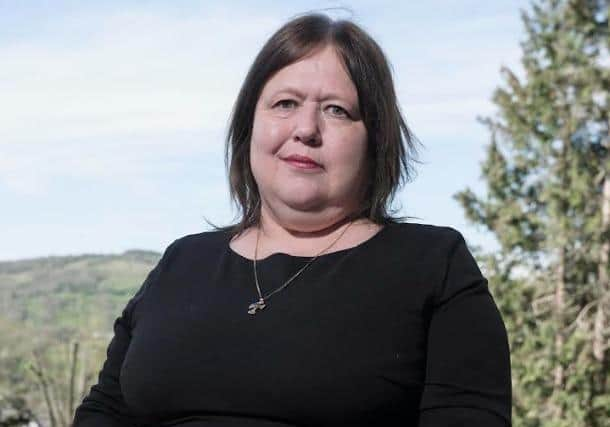
But opposition Labour Group Leader, Cllr Joan Dixon, raised concerns during the meeting about the council’s ‘indicative preferred option’ of a county unitary authority and the council report’s stipulation that any further council discussions about LGR would have to remain consistent with the controlling council’s ‘principles’.
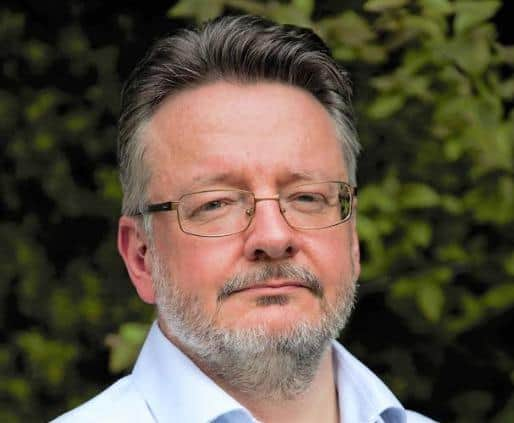

Council Leader Barry Lewis, who has been concerned about the timing of LGR with a May 1 election pending, said: “We accept that reform is happening. We can even accept it is inevitable and necessary when the time is right but we must ensure it’s done in a way that works for Derbyshire residents.”
He added that he hopes it will bring value for money, better use of resources, and social service delivery that is efficient, safe and responsible.
Cllr Lewis says he is determined to protect Derbyshire’s boundaries and he criticised MPs pushing ‘wildly different ideas’ raising concerns about carving up the county after suggestions that parts of the High Peak may go to Tameside.
The county council says it will work with other district and borough councils to formally submit its interim plans to the Labour Government in March with a view to submitting a full proposal in November.
Cllr Lewis said: “Despite this being a distraction over the coming weeks we will be engaged with residents in finalising that proposal and submitting it by March and engaging with other local authorities but we cannot engage with ill thought out plans that leave Derbyshire worse off.”
He stressed that Derbyshire must send a strong message that Derbyshire will not be broken up to ensure the best for the county.
However, Cllr Dixon submitted proposed amendments to the council’s report including removing a stipulation that the council approves a county unitary authority as its indicative preferred option, and that the council’s engagement with other Derbyshire councils to develop options should remain ‘consistent with the principles’ outlined by the county council.
Her amendments also requested the removal of a stipulation that the council’s interim plan to be submitted in March should also be ‘consistent with principles’ and agreed options outlined by the county council’s report.
Derbyshire’s district and borough councils, and Derby City Council, have all already stated that they are determined to never lose the ‘local connection’ with their communities as they have been reviewing LGR options.
Cllr Dixon told the meeting Labour recognises the need to regenerate the economy and boost growth and she welcomes the Government’s LGR White Paper.
She acknowledged the importance of district and borough councils and that everyone should work together to produce a better solution that ‘puts the people of Derbyshire at its heart’ and that working through the complexities of LGR should not be done at pace and decisions about geography should also not be rushed.
Cllr Dixon said it has to be established if a unitary authority is the best way forward and it is important to consider possibly having two or three authorities and a partnership is needed between the district and borough councils and others which she fears is not what has been proposed in the county council’s report.
She said: “We fail time and time again to listen and negotiate and plan with partners and this paper is an example that we need to show some leadership and maturity otherwise we will let the people of Derbyshire down.”
Labour Cllr Kevn Gillott also said reorganisation has to take place in one form or another but it needs to be discussed further, however Cllr Dixon’s proposed amendments were rejected by a majority vote.
Deputy Council Leader, Cllr Simon Spencer, said: “It makes sense for one authority to deliver a service as one, not as fragmented organisations.”
He added: “It’s a watershed moment and I would like to see all councillors come together with one agreement. I would expect every councillor to back an initiative to keep Derbyshire together.”
Conservative Cllr Tony King also said: “We know that the current two-level system is failing. There are too many county councils short of money and there is no clear solution.”
He also argued that the aim of bringing in unitary authorities is to save billions of pounds but that does not happen if Local Government breaks up into small units.
Cllr King added that Derbyshire is a strong county and it needs to stay together and that is why he is backing the council’s report.
The Council Leader, Cllr Lewis, said: “We do not want this process to be hijacked by a decision or self-interest. I won’t apologise for what is in the best interests for Derbyshire.
“We won’t let bickering damage services. I have made it clear we will talk to our communities about other options.”
Cllr Lewis also said Derbyshire currently has ten councils with chief executives and legal teams and over 400 councillors and he believes that is not efficient Local Government.
He has also stated he is excited about the possibilities of reorganisation for the county which he claims could save residents in excess of over £100m over the first five years, improve efficiency and drive down costs. .
The Government has argued that LGR plans will include elected mayors with more powers on planning and transport, and that the changes will create savings, create greater efficiency, improve public services, and support economic growth.
But critics are concerned about the loss of district and borough councils, a risk of greater Government control, the removal of local decision-making, tax increases, powers being taken away from communities and some also doubt the plans will create savings.
LGR plans include hopes for new mayoral elections to be in place as soon as 2026 and the first newly-changed councils could be running by 2028.
The county council has made it clear throughout that its preferred option includes one unitary council to cover the county while retaining the city boundaries which would leave Derby City Council unaffected.
Derbyshire currently has eight district and borough councils including Amber Valley Borough Council, Bolsover District Council, Chesterfield Borough Council, Derbyshire Dales District Council. Erewash Borough Council, High Peak Borough Council, North East Derbyshire District Council, and South Derbyshire District Council, as well as Derby City Council.