
Buxton farmer calls for careful management to protect moorlands as wildfires engulf the Peak District
“I worry that the risk is ever present as we experience weather extremes and hotter seasonal temperatures in the spring and summer.
A Buxton farmer has said livestock have an irreplaceable role in preventing wildfires after a blaze stretched across an area larger than the nearest market towns.

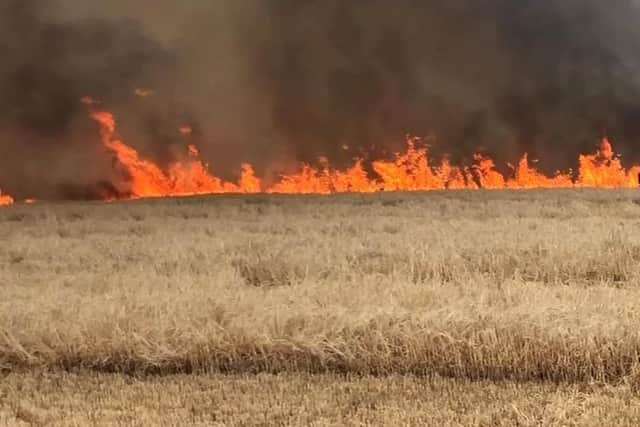
Firefighters are still at the major incident at Tintwistle Moor, near Glossop, dealing with hotspots and flare-ups over the 600-hectare site.
The blaze in Derbyshire’s Peak District is now larger than Hadfield or Glossop itself and a separate wildfire near Dovestone Reservoir burned around 90 hectares – enough land for more than 139 football pitches.
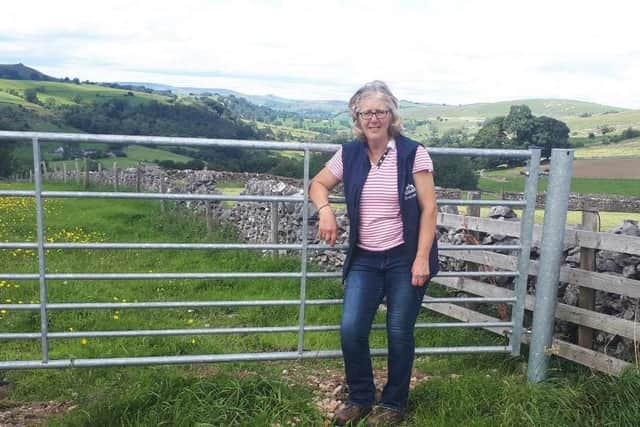
Jane Bassett, who farms near Buxton, said she has concerns with more wildfires being seen each year, stretching emergency services and devastating the countryside.
The sheep farmer, who is NFU Midlands regional board chair, said: “Fire and rescue services in England and Wales have recorded hundreds of wildfires in June and July so far.
“The ones we are currently experiencing here in Derbyshire and elsewhere are massive, they are having a huge impact on our countryside and landscape.
“I commend the fire service and also those gamekeepers working alongside them for their efforts to tackle these fires under very challenging conditions, but I worry that the risk is ever present as we experience weather extremes and hotter seasonal temperatures in the spring and summer.
“With all countryside fires there is a real risk to people, wildlife, crops and businesses and for our farms too.
“Wildfires and others in the countryside can be absolutely devastating at any time of year but the risk of fire at the moment is really significant as farmers look to bring in the harvest with the ground so dry.”
She said the Peak District National Park had seen multiple, significant, wildfires in recent years and they spread fast. The cause of the fire at Tintwistle Moor is currently not confirmed.
Mrs Bassett said: “Fires like the one we have seen at Tintwistle Moor have a huge impact on our moorlands, it is devastating and can take years to recover.
“I urge everyone to remain vigilant and play their part when out in the countryside.
“There is practical guidance available in the Countryside Code to help people stay safe and report fires.
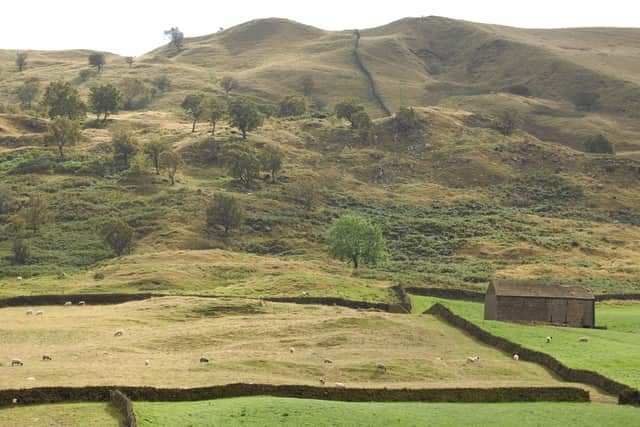
“Careful countryside management in these moorland areas can reduce the amount of vegetation that can fuel a fire, which is often called the ‘fuel load’.
“Targeted grazing can reduce this fuel load and create living firebreaks - strips or blocks where vegetation is kept low deliberately, helping firefighters contain a fire more safely.
“These prolonged spells of hot weather are not going to go away any time soon and I can only see the numbers going one way. We are thankful for the firefighters who came from across the country to Derbyshire to tackle this, but this must come at a serious financial cost and stretches our services further.
“We should be doing as much as possible to help protect our remote moorland areas that are at wildfire risk - the role of livestock in managing vegetation and preserving open habitats is irreplaceable.
“A collaborative refreshed approach to wild fire strategy is desperately needed.”
The NFU has previously set out its Uplands Vision report, which is a plan shaped by farmers for farmers, that aims to achieve a confident, sustainable future for the businesses at the heart of those cherished landscapes, including the Peak District.
The uplands face significant challenges, from rising input costs to policy uncertainty, however, they are also full of opportunity. With the right framework, upland farms can remain at the forefront of food production, environmental recovery, and rural resilience.
Currently, around 40% of England’s breeding ewes and 27% of beef breeding cows are based in upland areas and their fringes.
These animals produce offspring that are sold to lowland farms, where they are finished on richer pastures, supplying the market with premium, climate-responsible beef and lamb.
Without the breeding base provided by the uplands, the UK’s livestock sector, worth an estimated £5.5 billion, would face significant disruption.
The report also states that well-managed grasslands and peatlands in these areas can function as natural filtration systems and help regulate water flow, potentially reducing flood and drought risks and supporting more stable water levels for nearby communities.
While pastoral grazing with sheep, cattle, and ponies has long shaped the upland landscape and “their continued presence maintains the character and accessibility of these areas while protecting biodiversity and reducing the risk of wildfires”.
The NFU is also calling on government to develop a National Wildfire Strategy which sets out clear guidelines for wildfire prevention, preparedness, and response and should apply to all relevant bodies including Fire and Rescue Services, local authorities, Natural England, Forestry Commission and Highways England. This plan must recognise the vital role farmers play in assisting emergency services when action is needed to resolve wildfires.