
Plans to transform Buxton’s empty High Peak Halls into Travelodge
Plans have been submitted to build a 70-bed Travelodge hotel on the site of High Peak Halls - the University of Derby’s former halls of residence in Buxton.
The proposal includes the demolition of approximately two-thirds of the current building to provide additional parking facilities and accommodate a new second lift.
Constructed in the early 2000s and opened in 2005, the building has remained vacant since 2019 following changes to the University’s local operations, leaving the property unused and in need of a new sustainable purpose.
Applicant James Boyle said: “This redevelopment presents an opportunity to bring the site back into productive use, revitalising the area and contributing to its economic and visual regeneration.”
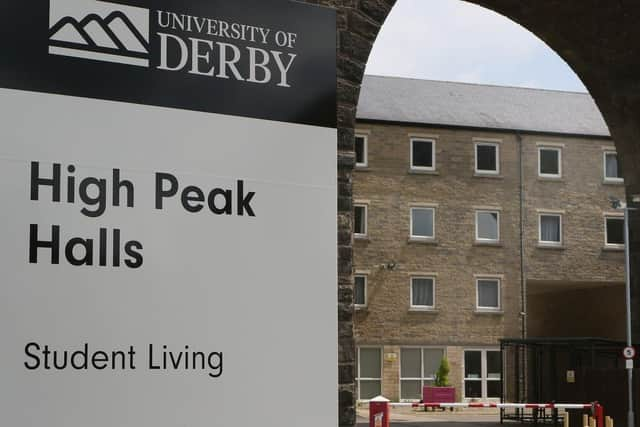

In 2023 proposals for a 288-bed asylum centre were put forward by Serco, the Home Office’s asylum accommodation provider, to be based out of the University of Derby’s halls of residence in Buxton.
This caused widespread concern amongst the community who felt that this location was not the right one for vulnerable people, a view shared by the Council, Derbyshire Constabulary and Derbyshire County Council and more than 1,400 people complained about the proposal.
Last year the former Immigration Minister, Tom Pursglove, said the postcodes SK17 7 and SK17 6 would never be used as housing for those seeking asylum.
So with no current purpose Travelodge has put forward its plans to High Peak Borough Council.
The current structure comprises three interlinked, cross-shaped blocks arranged over four to five storeys, originally providing 274 bedrooms as purpose-built student accommodation for the University of Derby.
Should the plans for the Travelodge Hotel be approved access to the site will continue to be taken from the existing road network.
Parking provision will be enhanced from the existing 42 spaces (including four disabled bays) to a total of 60 spaces, comprising four disabled bays, eight dedicated staff spaces, and four electric vehicle charging points.
The existing viaduct which runs through the site is Grade II Listed.
The viaduct is no longer in use after the railway line that it carries was closed, it was closed to passengers in March 1967 and completely in July 1968.
Mr Boyle said: “Our proposed development will not harm the existing listed viaduct; instead, it will enhance its setting and visual prominence.
“The scheme involves the sensitive conversion of a vacant and deteriorating former student accommodation building into a high-quality hotel, with the demolition of approximately two-thirds of the existing structure to create a more open and sympathetic layout.
“This reduction in massing will reveal and celebrate views of the viaduct that are currently obscured, improving its visual appreciation within the surrounding townscape.
“By bringing a disused site back into active use, the proposal will rejuvenate the area, contribute to its vibrancy, and ensure that the viaduct sits within a more attractive and well-maintained environment.”
The proposed development he says will deliver ‘significant benefits’ to the local area while fully preserving and enhancing the setting of the listed viaduct.
Mr Boyle added: “By transforming a long-vacant building into a vibrant new hotel, the scheme will bring new life and activity to the site, support the local economy, and create valuable employment opportunities both during construction and through ongoing hotel operations.
“The development will also attract visitors to the area, boosting local businesses and contributing to the overall vitality of the community. In doing so, the proposal offers a sustainable and positive future for a currently underused site, ensuring it once again becomes a valued and attractive part of the townscape.”
People can have their say on the development via High Peak Borough Council’s website searching for application HPK/ 2025/ 0486.
The proposals are expected to be discussed in front of the planning committee in March.