
Health chiefs urge Derbyshire parents to get children vaccinated against measles - as fears highly infectious disease could spread across the country
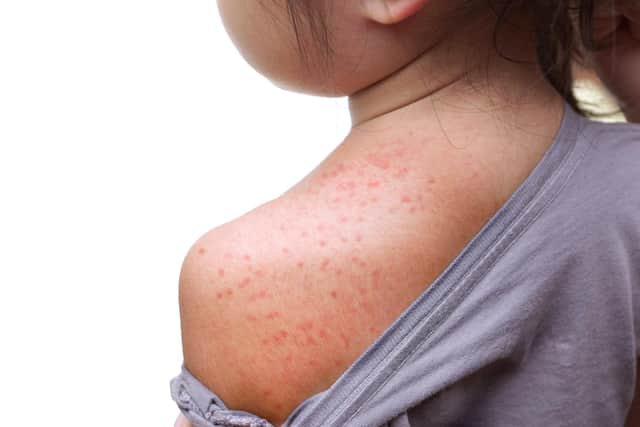
Health chiefs have urged parents to get their children vaccinated against measles after concerns about the highly infectious disease spreading across the country.
A measles outbreak, mostly affecting unvaccinated children, is spreading through schools in north London.
Health professionals say low vaccination rates leave thousands of children and babies at risk after the UK lost its elimination status in 2024 due to a lower vaccine uptake.
Only 11 locations in England have achieved vaccination rates above 95 per cent – including Derbyshire (95.5 per cent) – but NHS Derbyshire said the data doesn’t tell the full story.

In Derby city vaccination uptake rates are only 89.5%.
Dr Dave Briggs, Executive Director of Outcomes (Medical), NHS Derby ad Derbyshire, said: "Measles is one of the most infectious diseases worldwide and one in five children with measles will need to be admitted to hospital for treatment. That’s why health professionals are worried about it spreading across the country.
"Vaccination rates in Derbyshire are high, but there are pockets of lower uptake, particularly in Derby City, so it's still important we encourage parents to get their child vaccinated.
"If you’re a parent, please check your child’s vaccination status, it is really not worth taking the risk with this nasty illness. Contact your GP to arrange a vaccination and speak to them if you are unsure or have concerns."
Ellie Houston, Derbyshire County Council Director of Public Health, said the high vaccination rate in most of Derbyshire reflected the commitment of general practice teams who work hard to ensure families are offered vaccinations at the right time and are supported to make informed choices.
She added: “As of this year, the NHS has introduced the new MMRV vaccine, which protects against measles, mumps, rubella and now chickenpox (Varicella), strengthening protection for young children and helping prevent serious illness.
“However, it’s important to remember that children who are not vaccinated remain vulnerable. Measles is highly infectious, and if an unvaccinated child comes into contact with the virus, they are still at risk of becoming seriously unwell.
“We know there is more work to do to increase vaccination rates. For many families, the main challenge is not concern about safety, but finding the time or being able to prioritise appointments.
"We continue to work closely with GP practices and partners to make vaccination as convenient and accessible as possible for parents and carers.”