
Derbyshire council handed out just 3 fly-tipping fines last year with 'no deterrent enough to put off offenders'
A Derbyshire council handed out just three fly-tipping fines last year.
Derbyshire Dales District Council approved an increase to its fly-tipping fines – for low-level offences – from £200 to £500 at a meeting last night (January 16).
Before the increase, the council had the lowest fly-tipping fines in the whole of Derbyshire – including Derby, with the next highest being £400.
Government plans have now allowed councils to increase their maximum fly-tipping fines from £400 to £1,000, with the Dales hiking its fee to half the allowed cap.
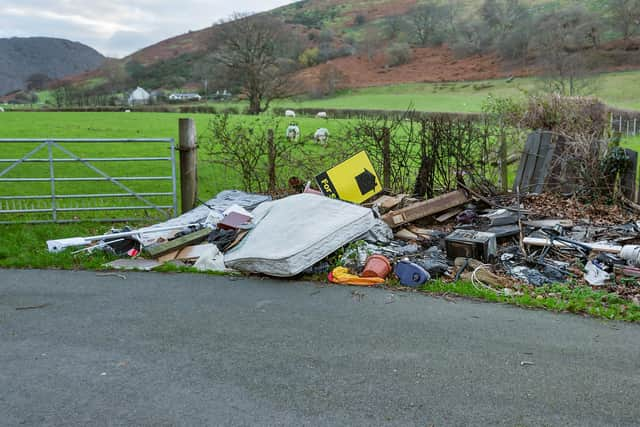

South Derbyshire District Council has adopted the £1,000 maximum fine for incidents where there is financial gain and High Peak Borough Council brought in the maximum £1,000 for commercial waste.
A number of district councillors said they would support a higher fly-tipping fine in the Dales than the suggested, along with either no lower fee for early payment or a higher than suggested cut-price offer.
Councillors approved the £500 maximum fine with a reduced fee of £250 for payment within 10 days.
Laura Salmon, environmental health officer, said the authority had recorded 10 fly-tipping incidents in 2024, with three fines being served, two of which had been paid in full and one of which has not yet been paid.
Cllr Susan Hobson, Conservative group leader, said 10 incidents “seems a very small amount” and said she had heard some incidents were not correctly recorded and could well be fly-tipping.
Ms Salmon said many incidents that could be fly-tipping are actually duty of care issues relating to waste management providers which are pursued through alternative routes by the council, including through the courts.
She said the increase from £200 to £1,000 was considered to be a “bit of a big jump for our residents”.
Ms Salmon said the fines targeted low-level fly-tipping only, such as few bin bags or a bit of green waste (grass cuttings, tree branches), rather than larger scale issues including whole lorry loads, which would be pursued through the courts.
Cllr Sue Bull said she would back a £1,000 fine if it ensured it covered the cost to the council of removing the waste.
Cllr Stuart Lees questioned why the council should have a reduced fee for early payment, suggesting offenders could pay half in 20 days and then pay the remaining half.
Ms Salmon said the law allowed an incentive, saying: “Somebody who could be low on income, we are slapping them with a £500 and they’ll think ‘oh I’ll pay the £250 and then it is over and done with and I shan’t do it again’, that is the incentive.”
Cllr Steve Wain supported a higher fine of £600 with an early payment fee of £400, saying the council needed to recoup the maximum amount possible, even if it was pursuing issues through the courts.
Cllr Peter Dobbs said: “This is no magic bullet. Actually finding and identifying the culprit is incredibly difficult and just by putting the fine up we don’t provide a deterrent.
“I think if it was life imprisonment then probably it would still not be a deterrent because it is so hard to detect and prove, but I think that this is an excellent compromise.”