
Buxton's Zink wins ‘charity oscar’ at national award ceremony
A Buxton charity that is transforming lives across the High Peak and Derbyshire Dales has won one of the country’s most prestigious charity awards.
Zink, which supports local people out of poverty and into work - as well as providing holistic support services including a foodbank, eco-café and health activities – was selected as a winner from 600 charities around the country
in this year’s Centre for Social Justice (CSJ) Awards, which are often dubbed the ‘Charity Oscars’ and exist to support and amplify the work of grassroots charities across the UK. Paul Bohan, CEO for the charity said: “This award is a huge honour for our staff, volunteers and the community that supports us
“It recognises not just our achievements, but the collective effort of everyone who gives time, funding or encouragement to make Zink’s work possible.


“We’re proud to have created an approach that makes a real difference and supports people to turn their lives around.”
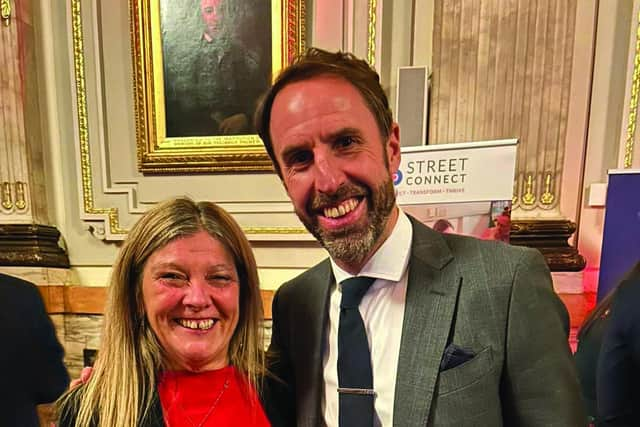
The award, presented by Akshata Murty former Primer Minister Rishi Sunak’s wife at a star-studded ceremony in London on Monday, recognises Zink’s groundbreaking ‘microjobs’ scheme, which helps long-term unemployed people to gain confidence, skills and experience through small, paid roles within the charity.
The UK charity sector is facing uncertainty, with recent research showing that two in five charities expect to cut jobs in the next year.
But through its innovative and creative approach, Zink is expanding.
And against a backdrop of rising unemployment, microjobs are needed more than ever, acting as a vital bridge between volunteering and sustained employment.
The charity has seen results that speak for themselves.
Paul said: “Three quarters of people on our microjobs scheme go on to find sustainable paid work.
“That’s an incredible outcome compared to the 30 per cent success rate of the national Restart programme. “
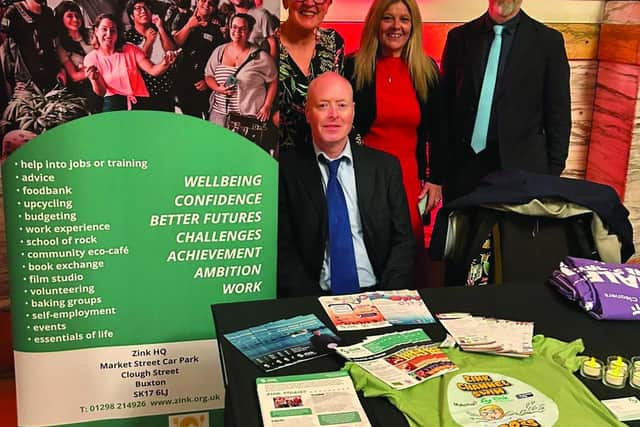
Research from the University of Sheffield found that what really works about the Microjobs programme is that it gives clients more belief in themselves, builds up their experience of work, and shows them how they can add value to the workplace.
Zink, or a local business, pays a person for six months, for four hours per week on the National Living Wage.
Jobs are tailored to the skills and aspirations of the clients, providing experience, a sense of self-worth and a platform from which people can make applications for work in the wider workplace.
The support given by the work coaches in making applications and telephone calls encourages a resilience and ability to manage similar communications for themselves in future.
Alongside this approach to employability, Zink has run a project specifically for those in recovery from substance misuse.
Those undertaking the programme have commented that as a result of an addiction, they have no work experience to take forward as a credible employee.
The microjobs, the charity says, are an invaluable opportunity in such circumstances. This part of the programme has a 75 per cent success rate of microjob employees transferring to mainstream work within six months, says Paul. And it was this innovative micro jobs scheme which won the charity their award.
The charity’s pioneering approach has also been highlighted in Parliament, and the charity continues to develop new ideas to tackle poverty – including offering housing and wellbeing initiatives that support people towards stability and independence.