

Architect Robert Rippon Duke was commissioned to design a hospital to rival Bath's and Harrogate's facilities for charity medical care.
The stables on the ground floor were converted into hospital rooms by 1882. Included in Rippon Duke's design was the world's largest unsupported dome with a diameter of 44 metres, now known as the Devonshire Dome.
In the hospital were 300 hospital beds "for the relief of the poor". By 1882 the hospital had its own baths building in George Street, although these were closed in 1914 when new mineral baths were built on the hospital site
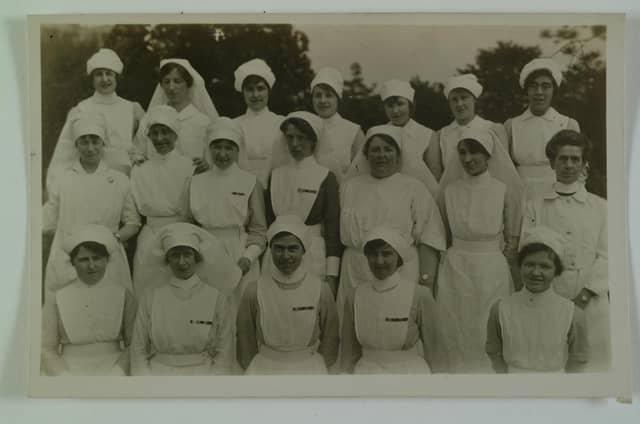
King Edward and Princess Mary visited the hospital over the years and nurse Vera Brittain trained as a Voluntary Aid Detachment nurse here in 1915, caring for soldiers wounded during World War I.
More than 5,000 soldiers were treated in Buxton during the war.
The Devonshire Royal Hospital was the last of the eight hydropathic hospitals in England to close, in 2000
In 1934 the establishment was give permission by King George V to become known as the Devonshire Royal Hospital
The pictures are from the Buxton Museum and Art Galley collection, owned by Derbyshire County Council which was shared with the Advertiser.
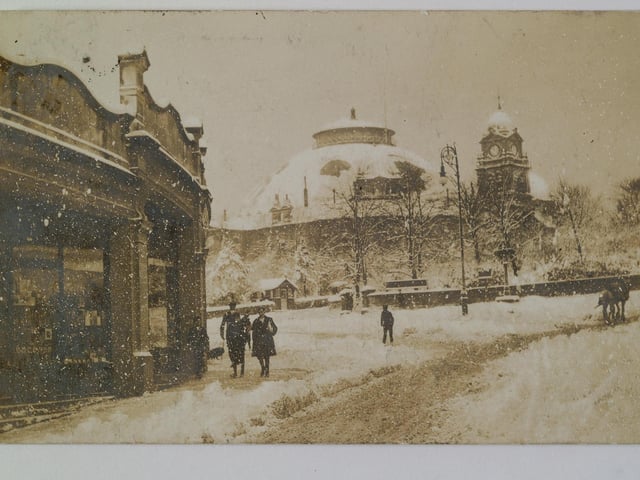
9. A view of the Dome
A view of the Dome taken from outside Clowes Chemist. Photo DCC Buxton Museum Photo: DCC Buxton Museum
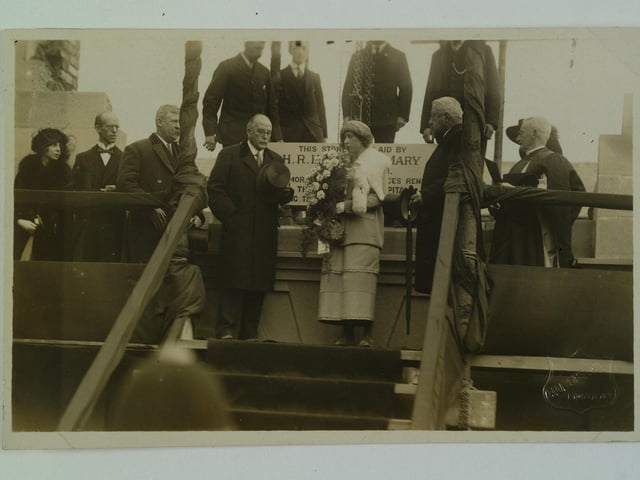
10. Royal visit
H.R.H. Princess Mary laid the foundation stone of Devonshire hospital in Buxton in 1921. Photo DCC Buxton Museum Photo: DCC Buxton Museum
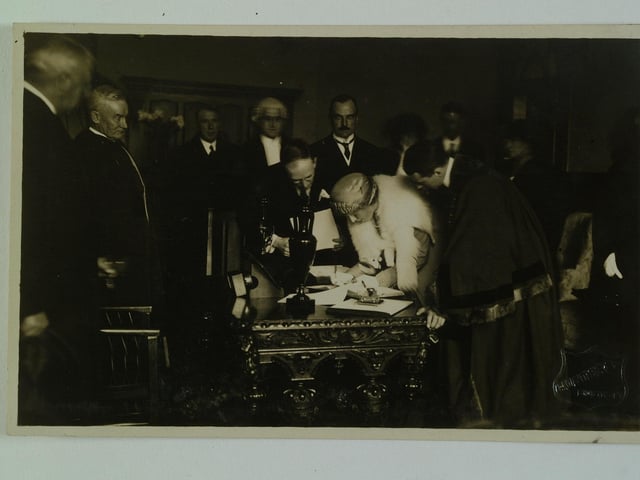
11. Signing the guest book
Princess Mary at the Devonshire Hospital in 1921. Photo DCC Buxton Museum Photo: DCC Buxton Museum
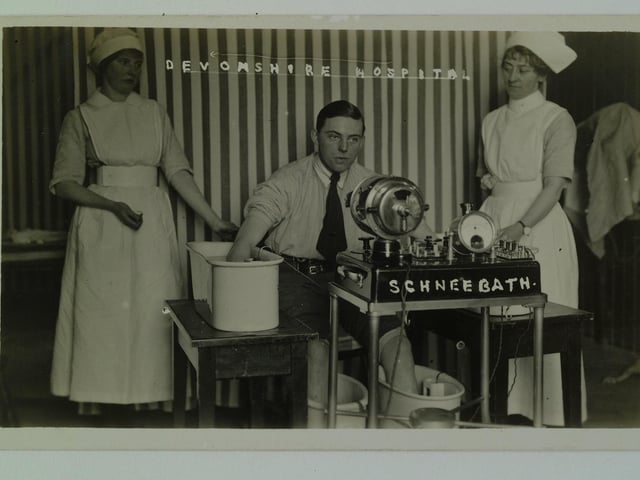
12. Schnee Bath
An electric bath used to treat rheumatism. The Schnee Four Cell Bath was used for treating rheumatism and painful joints, with a bath for each limb. Each bath had its own current. There was no danger of electric shock as the porcelain tubs were not connected to water pipes and were insulated. Photo DCC Buxton Museum Photo: DCC Buxton Museum