
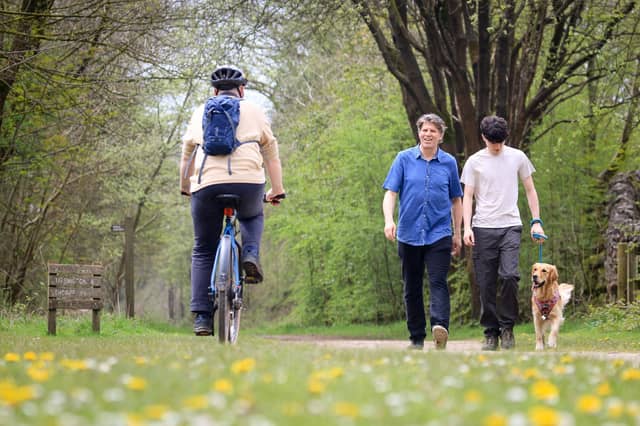

Some of the Peak District’s most well-known attractions, charities, landowners, the police and the National Park Authority have come together in a collective call to encourage people to visit responsibly.
Ahead of the spring and summer season, they are keen to highlight how people can help care for the place they are visiting by reminding them about things like car parking, BBQs, camping, and visiting with dogs – especially as seasonal laws on Open Access land take effect.
Visitors can also help reduce the pressures and challenges on local communities, emergency services and local businesses face during the peak visitor season by following the guidance, advice and relevant laws.
Phil Mulligan, Chief Executive of the Peak District National Park Authority, said: “Our cherished National Park is place to enjoy and explore at any time, but for our wildlife and farming landscapes spring is when things get serious. That’s why the smallest of positive actions now can make a massive difference.
“It’s so simple to do things like ensuring four-legged friends are closely controlled on lead, a BBQ isn’t part of your plans and you’ve taken the time to think ahead about how you’ll travel so your trip can be relaxing, enjoyable and respectful for everyone else.”
Craig Best, National Trust General Manager in the Peak District added: “The Peak District is a wonderful place for people to connect with nature and get active in the outdoors, but it is crucial that everyone plays their part in protecting and respecting this important place for future generations to be able to enjoy it. ‘Leave no trace’ is the key to that and it is a simple thing that everyone can do by taking rubbish home, bringing a picnic not a BBQ and parking responsibly or using public transport.”
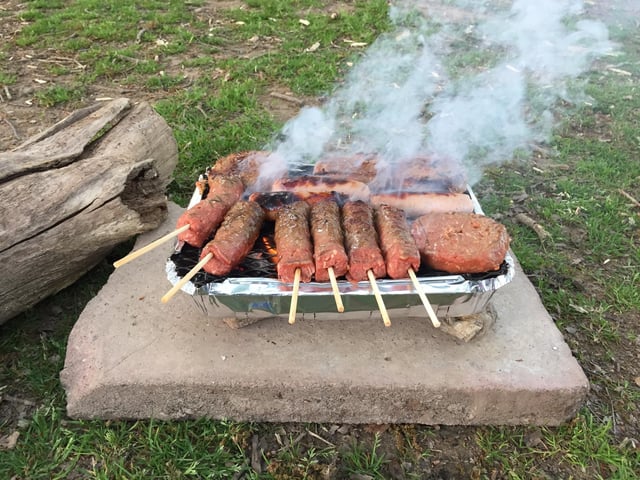
1. Early season fire risk
People may not realise that late winter and early spring can also be a period of increased wildfire risk. Therefore the organisations are urging people not to bring BBQs with them into the Peak District as they pose a huge threat; as do open camp fires, fireworks or items such as ‘Chinese’ lanterns. There was a major fire in 2023 at the Upper Derwent Valley, the blaze took over 10 days to extinguish, taking multiple crews and services away from other operations. The fire was started by an abandoned BBQ and the cost to extinguish was put at £250,000. Fines of up to £1,000 under Public Space Protection Orders (PSPOs) are also in place in several parts of the National Park. Photo: jade - stock.adobe.com
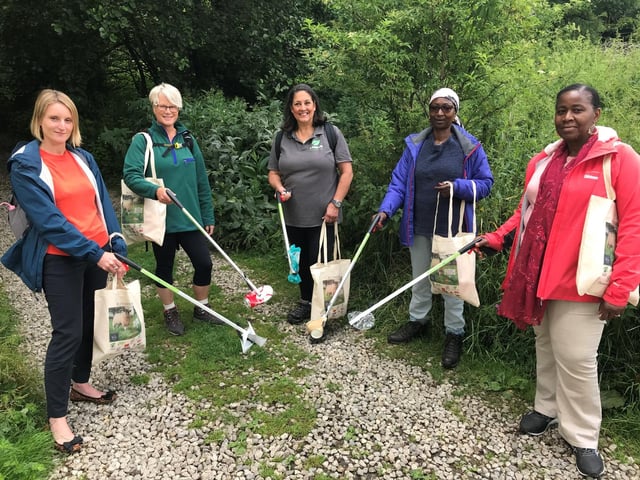
2. Litter challenge
Volunteers are some of the many who are often involved with collecting litter and things people leave behind. In several of the Peak District’s most popular areas, rangers and volunteers are spending huge amounts of time dismantling and removing ‘fly camping’ sites, sometimes with large quantities of tents, bedding, seats, BBQs and food waste having to be removed from remote locations or even streams and rivers. There are currently over 70 official campsites in the Peak District area where people can experience sleeping in the outdoors in places with stunning views and on sites which are a great base to explore the area’s wilder landscapes from. Wild camping should only be done with landowner permission, and where it is supported, campers must ‘leave no trace’. Photo: Fiona Stubbs. Photo: Credit Fiona Stubbs
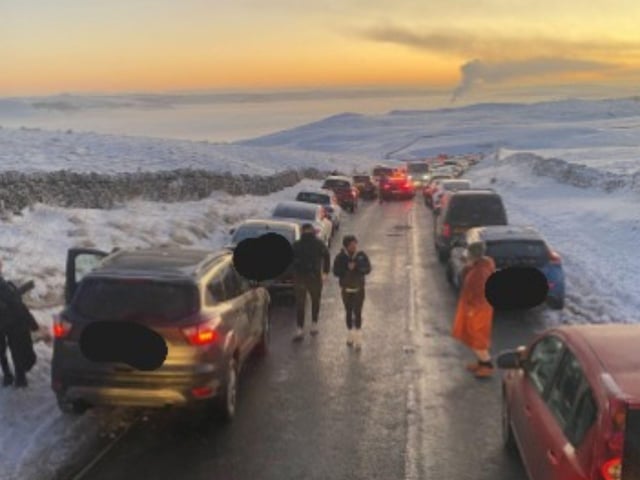
3. Planning ahead on parking
In recent years there has been an increase in disruptive and in many cases illegal parking. This includes on double yellow lines, blocking entrances to homes and businesses and reducing emergency vehicle access on narrow routes. This has a huge impact on and poses a safety risk for people, living, working and visiting the Peak District. To prevent this, visitors are encouraged to plan ahead by making sure they find out about the rural location they are heading to and how best to visit it safely and responsibly. The top tip is to make sure they have considered the practicalities of visiting before leaving home, such as where to legally park, having a plan B if the place you want to park is full, as well as how to get to the location they want to visit after leaving their car. The National Park Authority website lists over 80 car parking locations, covering thousands of spaces, from a range of providers. To minimise the pressure on limited parking spaces and reduce environmental impact, visitors are being asked to try out the range of seasonal bus services in the Peak District for the coming season, with many also linking up to mainline rail routes from Sheffield and Manchester. Pictured are around 200 cars poorly parked on Rushup Edge and Man Nick on the road down to Edale on Saturday, January 11. Photo: Derbyshire County Council