

Images include Sutton Scarsdale Hall, near Chesterfield, in its former glory. Built in the 17th century, it was remodelled into one of the finest Baroque mansions in the county in 1724.
This photograph shows the front facade of the hall, which has now sadly fallen into ruins.
Other images include the former Municipal Hall, in Chesterfield and a Coronation Party for King George V and Queen Mary in 1911, in Matlock.
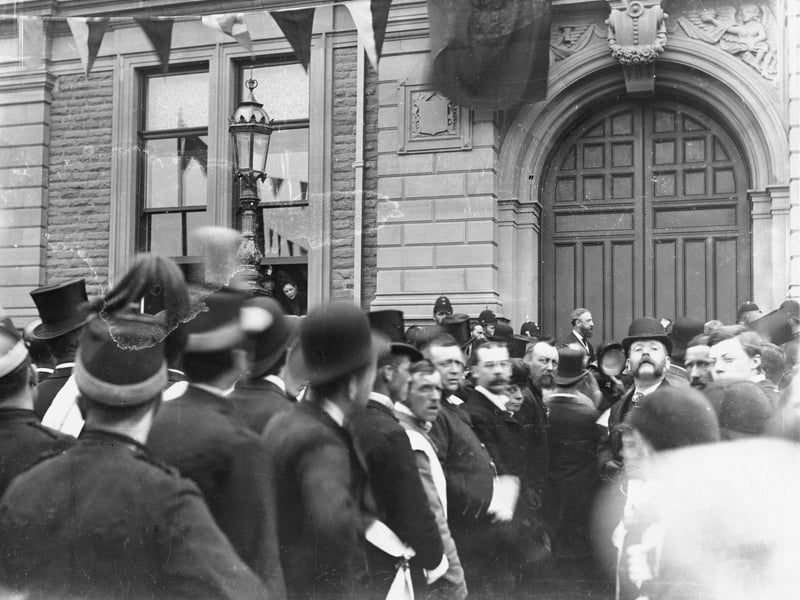
9. Buxton Town Hall
Crowd outside Buxton Town Hall, in the 1900s. The black flag suggests that the crowd is waiting for an announcement, possibly Queen Victoria's death in 1901. (Photo by NEMPR Picture the Past/Heritage Images/Getty Images) Photo: Heritage Images
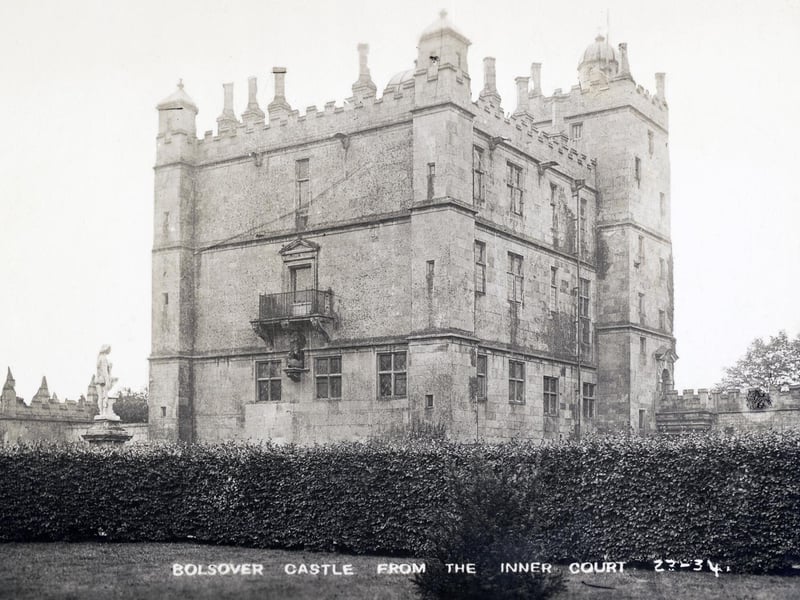
10. Bolsover Castle
Bolsover Castle from the inner court. Very little is known of the original castle at Bolsover. It was raised by the Peveril family in the 12th century. Much of the castle as it appears today dates from the 17th century, when it came into the possession of the Cavendish family. The castle is now in the care of English Heritage. (Photo by NEMPR Picture the Past/Heritage Images/Getty Images) Photo: Heritage Images
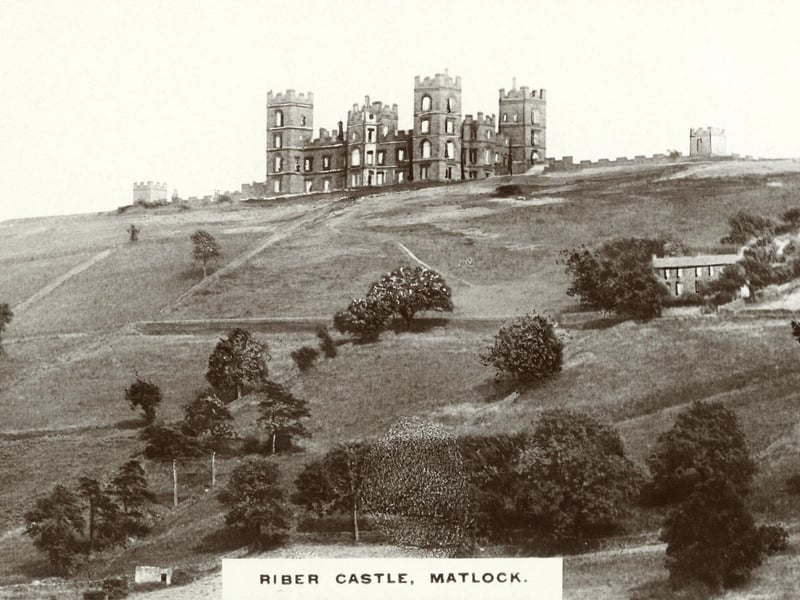
11. Riber Castle
Riber Castle, c1900. Riber Castle was built on a hilltop near Matlock in 1862. It was designed and built by the Derbyshire industrialist and philanthropist John Smedley as his residence. (Photo by NEMPR Picture the Past/Heritage Images/Getty Images) Photo: Heritage Images
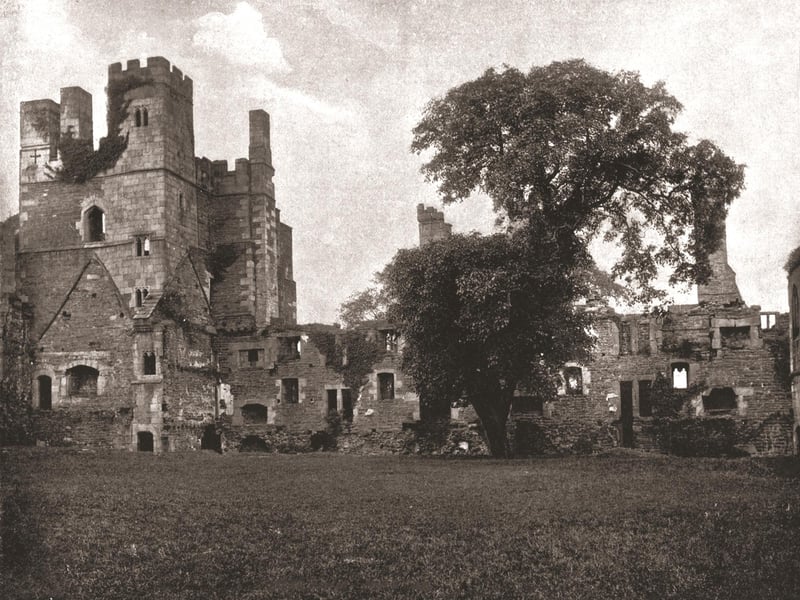
12. Wingfield Manor
Wingfield Manor, near Alfreton, 1894. The manor, now ruined, was built by Ralph Cromwell, Lord Treasurer to Henry VI, in about 1435-1440. Originally the house consisted of two large courts; the outer (or southern) made up of barns, stables, guard-houses and other lowlier buildings; the inner (or northern), of the hall, kitchen, and the chambers occupied by the family. Under Henry VIII the manor was in the possession of the Earl of Shrewsbury and Mary, Queen of Scots was imprisoned here for nine years during the reign of Elizabeth I. Wingfield continued to be the residence of the Shrewsburys until the death of Earl Gilbert in 1616. After this, the property was sold to Mr Imanuel Halton. In 1817, it was still in the possession of one of the Halton family, but not then inhabited. The last of the family who resided here wished to build himself a house at the foot of the high hill upon which the mansion stands and pulled down and unroofed part of the old house to construct Wingfield Hall. This left Wingfield Manor open to the elements and it quickly fell to ruins. (Photo by The Print Collector/Getty Images) Photo: Print Collector