
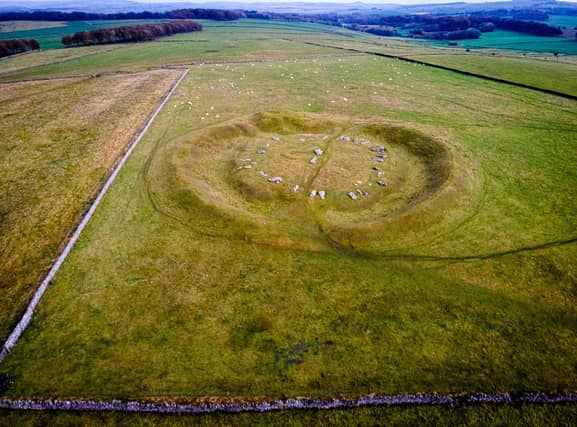

These sites provide evidence of early settlement, ceremonial practices and the development of our society. They are also important for their cultural value and offer insights into past ways of life in Derbyshire.
The structures are also crucial for conservation and needing protection as part of the county's heritage.
We have put together a list of notable ancient heritage assets across the county which are great places to visit over the winter months.
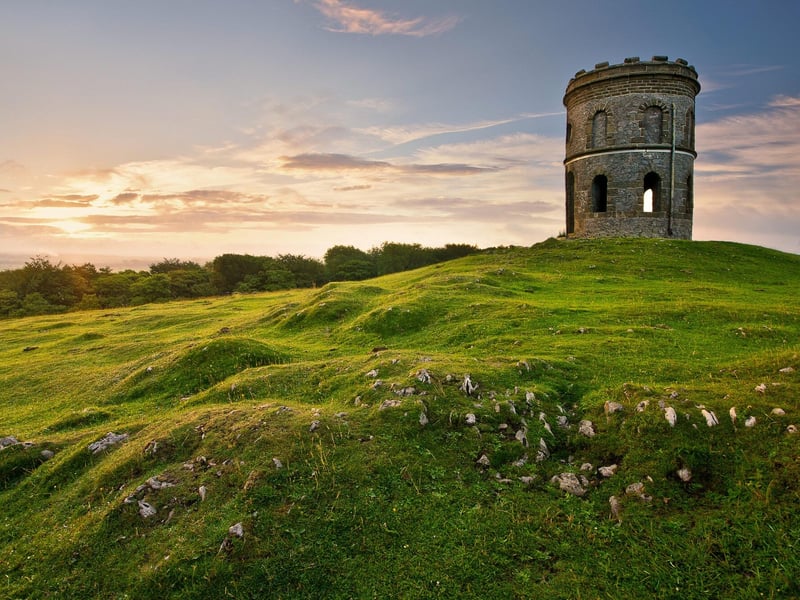
13. Solomon's Temple, Buxton
Solomon's Temple in Buxton is important because it's a Victorian folly built on an ancient Bronze Age burial mound, offering spectacular 360-degree views of the surrounding Peak District landscape. It's also significant for its connection to the Duke of Devonshire's philanthropic efforts to provide work for the unemployed in the 19th century and for being a landmark that has been restored thanks to public funding. The site itself has a long history, with evidence of human activity dating back to the Bronze Age. Photo: Phil Sproson
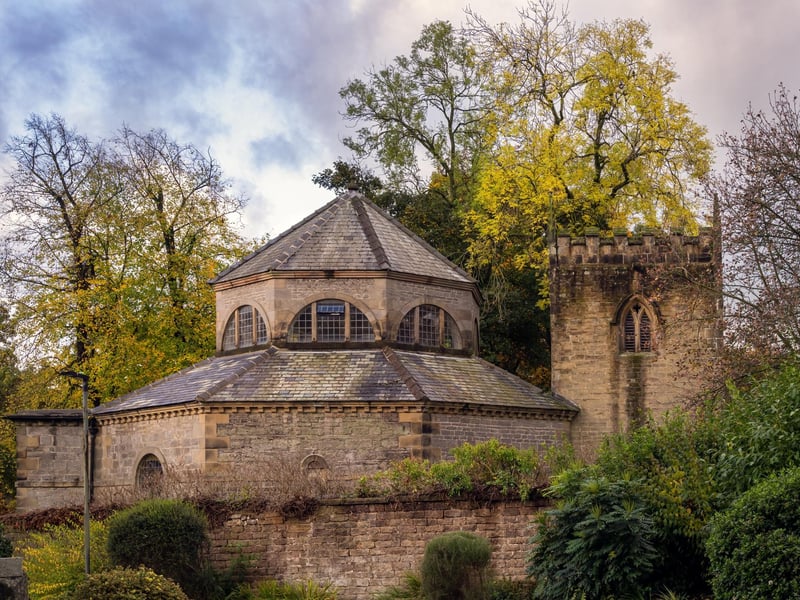
14. St Martin's Church in Stoney Middleton
St Martin's Church in Stoney Middleton is a Grade II* listed parish church known for its unusual octagonal-shaped nave, added after a fire in 1757. The 15th-century tower is the oldest part of the building. Located in "The Nook," the church is set in a secluded square and is open to visitors daily. Photo: Veronique - Adobe
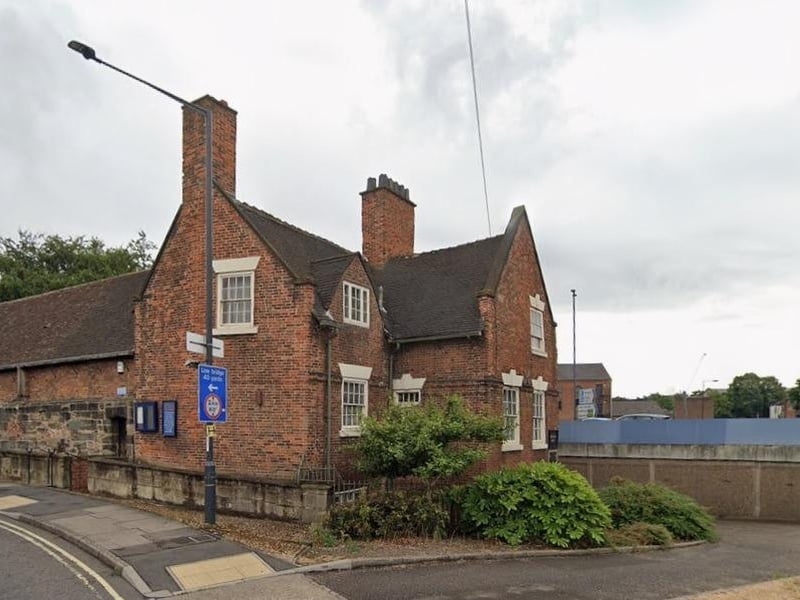
15. St Mary's Bridge Chapel
St Mary's Bridge Chapel in Derby is a rare, fully restored 15th-century chapel (with earlier foundations) and one of only six surviving bridge chapels in England. The interior is a fully functioning place of worship that features unique historical elements such as a hagioscope (or "squint window") and a wooden gallery. Photo: Google
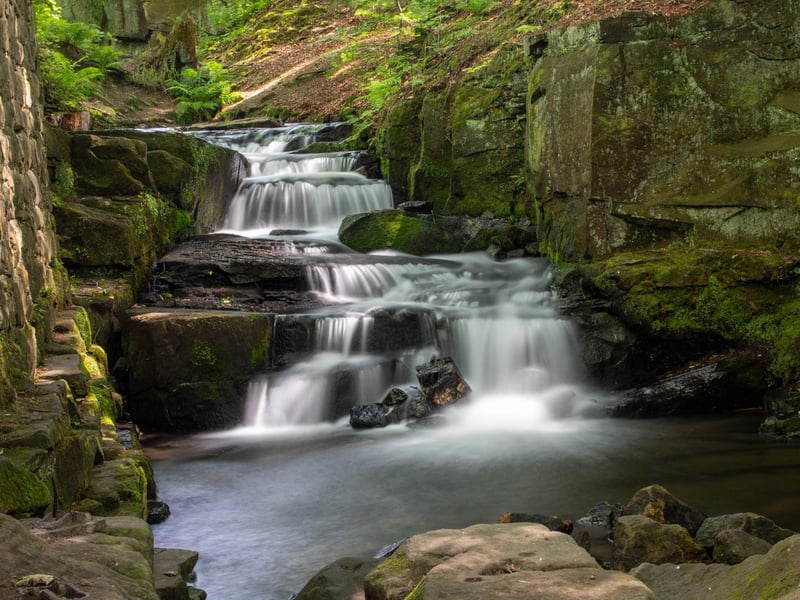
16. Lumsdale Valley
Lumsdale Valley is a historic industrial and natural site near Matlock, known for its combination of waterfalls, wooded gorge, and well-preserved water-powered mill ruins. It features a series of ponds and cascades on the Bentley Brook, along with the remains of several mills, making it one of Great Britain's most important water-powered archaeological sites. The valley is now managed by the Arkwright Society and is a popular walking destination Photo: Dylan - stock.adobe.com