
1,000 reasons to save Hogshaw as campaigners try to stop housing development
Campaigners who do not want Hogshaw being built on are documenting all the wildlife in the area and hope to present the council with a list of 1,000 plant and animal species in a bid to stop the development.
The group are so close to hitting the 1,000 reason and naturalist Mark Cocker explained why the area is so significant.
He said: “The group Action for Hogshaw has been fighting to secure Hogshaw, the wood, a former refuse site and the recreational area as a Nature Reserve.
“This is because of its exceptional wildlife importance.
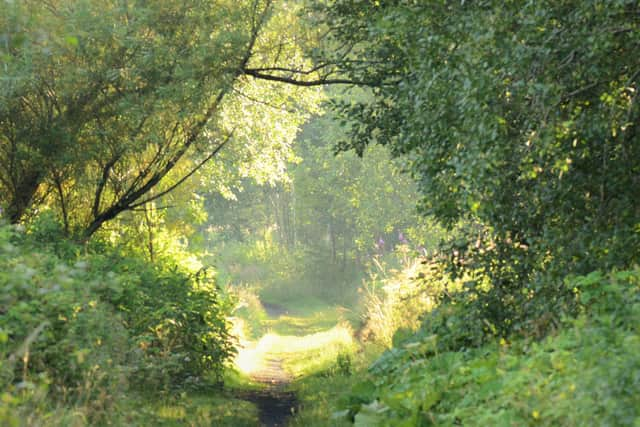

“No site in Buxton, surrounded on three sides by houses, is as rich for wildlife.”
High Peak Borough Council has earmarked Hogshaw site for hundreds of new homes.
Which, Mark says, would destroy the natural habitats of so many but also impact the community.
“The area around Hogshaw is a deprived area.
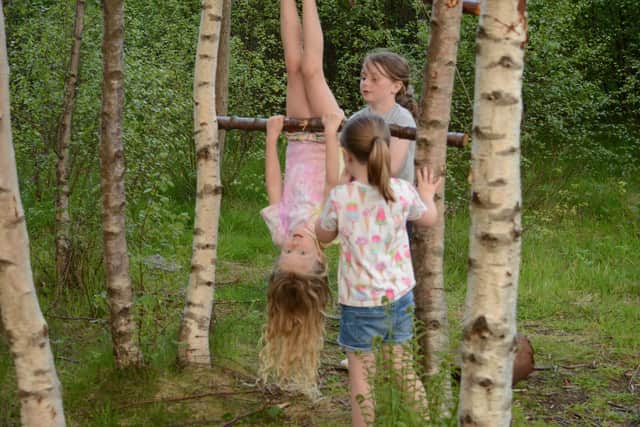
“It is very urban with lots of houses, and for some coming to Hogshaw is the only access they have to open green space and to take that away would have a negative impact on people’s mental health.”
Looking at why the space is important from a conservation point of view Mark said: “Since Hogshaw stopped being a tip 50 years ago it has rewilded and the biodiversity is huge.
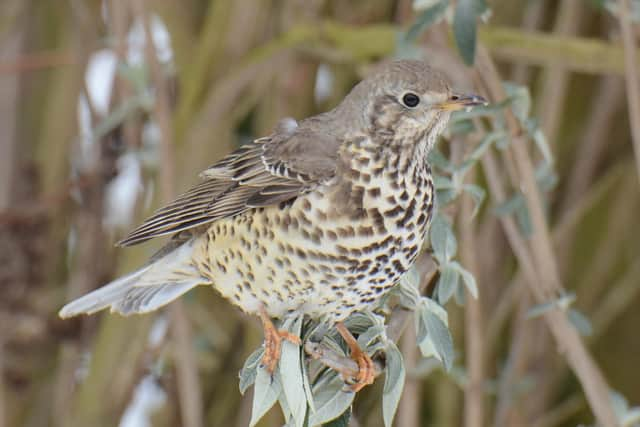
“There is such a variety of insects, birds and animals.
“People think that because we live on the edge of the Peak District we are surrounded by nature but there is more wildlife, both plants and animals in a concentrated area than across large parts of the national park.”
He said that Hogshaw has developed into one of the important willow woods in the region.
Willow is the most invertebrate friendly British tree and the campaigners have found Large Sharptail Bee - one of the very few recorded from inland northern England, as well as the Striped Twinspot Carpet Moth one of the only records in Derbyshire.
It is famous for hosting many nectaring Bilberry Bublebees a local speciality and it has a very large colony of a rare orchid Broad Leaved Helleborine.
Mark said: “No one has recorded the wildlife in the area before so this research is important as it provides the first written documentation of what is here which can be used going forward to better support our campaign.”