
Mass trespass anniversary at Hayfield ‘great success’
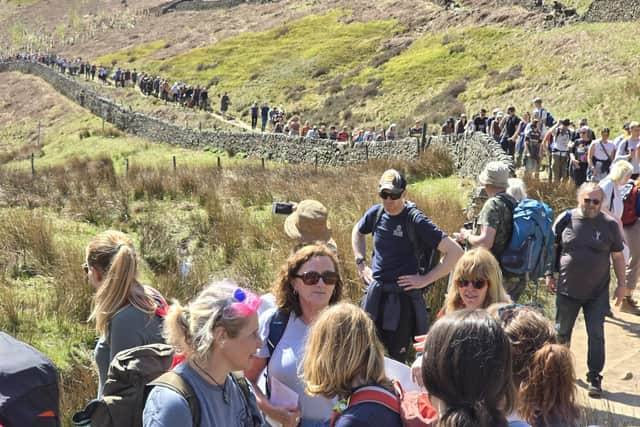
Hundreds of people attended the 93rd anniversary of the Mass Trespass in Hayfield with organisers saying it was a pivotal moment in keeping up the pressure on the government.
There were speakers, workshops, music, drama, and stalls to celebrate the 1932 Hayfield Kinder Scout Mass Trespass - and also draw attention to current campaigns to extend access to land and water, urban and rural.
David Toft, from the Hayfield Kinder Trespass Group, said: “The event was a great success, with hundreds of people attending over the weekend and most arriving by public transport.”
Kate Ashbrook, from Outdoor Spaces Society, along with Guy Shrubsole, from Right to Roam, Imogen Radford from Outdoors Swimmers and Dr. Morag Rose of the Loiterers Resistance Movement contributed to a packed session of panel discussions about the current situation with access and how best we can all lobby for legislation in this first term of the Labour Government.

MP's Jon Pearce for the High Peak and Phil Brickell from Bolton West addressed audiences about how everyone who wants to secure current access rights and also to extend that access, should write to their MP's and lobby in their trade unions and outdoor organisations. David said speakers made the point that all previous Labour Governments had passed significant legislation in their first terms - the 1949 National Parks and Access to the Countryside Act; 1968 Countryside Act and the Countryside Rights of Way Act 2000.
He said: “So now is a pivotal moment in keeping up the pressure on the current government continues that legislative progress to secure gains for generations to come.”
A series of workshops about the law with regard to trespass, how to read maps, safety on the hills, and how to campaign effectively proved very popular.
On Sunday April, 27 there was a huge rally and march from Hayfield Village to the Kinder Reservoir where more than a hundred people braved the cold water to swim in the reservoir. David added: “While we have access to only 8 per of the land, the figure for water is even less, at 4 per cent, and outdoor swimming organisations now represent a significant presence in the new wave of campaigning for fair and responsible access to our open spaces, land and water, rural and urban.”