
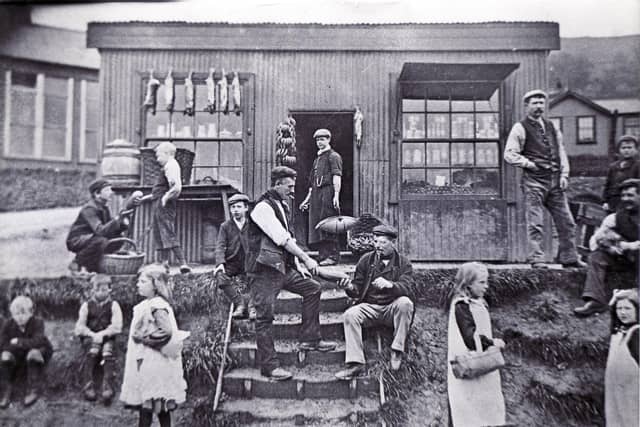

Derwent Dam was created by a community of workers who lived, schooled and socialised in the ‘tin town’ in Birchinlee.
Birchinlee, located in Derbyshire's Upper Derwent Valley, was a temporary, purpose-built village that housed over 900 workers and their families between 1901 and 1916. The village featured corrugated iron, timber-framed homes, shops, a school and a hospital.
We have dug out some forgotten pictures of life in the Derwent before the area was flooded and the people who built the dams between 1901 and 1916.
Did you know Birchinlee, was a "model village" and its infrastructure included a pub, post office, shops, recreation hall, public bath house, police station, railway station, rubbish dump with incinerator, and much else?
One of the shops was a well-stocked store owned by the Gregory brothers from Tideswell. Accommodation consisted of workmen's huts, foremen's huts and married workmen's huts. The latter were decorated to a high standard, as photographs from the period confirm. The population rose to 900 people.
Remnants of "Tin Town" can still be seen when walking to the west of Derwent Reservoir. The former railway track is now a footpath. One of the buildings was salvaged and rebuilt at Hope.
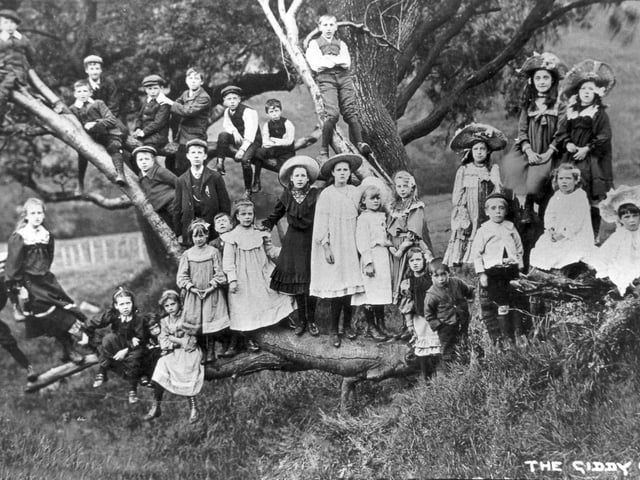
1. The children of Birchinlee Village - the "Tin City" built for workmen constructing the Derwent Valley Dams - 1901-1914
The children of Birchinlee Village - the "Tin City" built for workmen constructing the Derwent Valley Dams - 1901-1914 Photo: Julia Armstrong
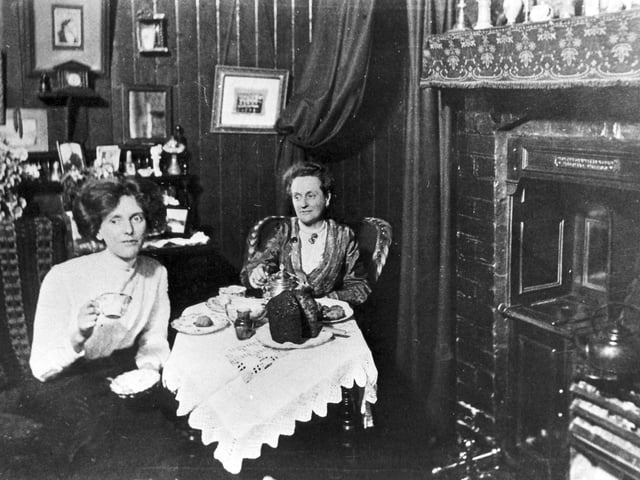
2. Afternoon tea
Afternoon tea in one of the huts at Birchinlee Village - the 'Tin Town' built for workmen constructing the Derwent Valley Dams - 1901-1914 Photo: sub
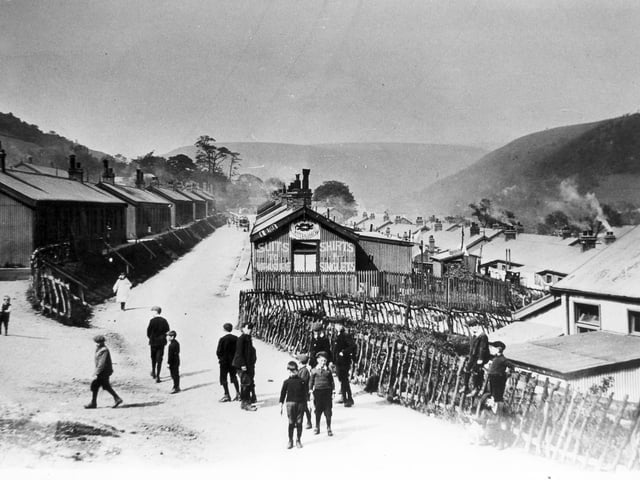
3. Tailor's shop
Birchinlee Village (looking north) - the "Tin City" built for workmen constructing the Derwent Valley Dams - 1901-1914 Centre foreground is Mr. Harry Oliver's tailor's shop. Photo: Julia Armstrong
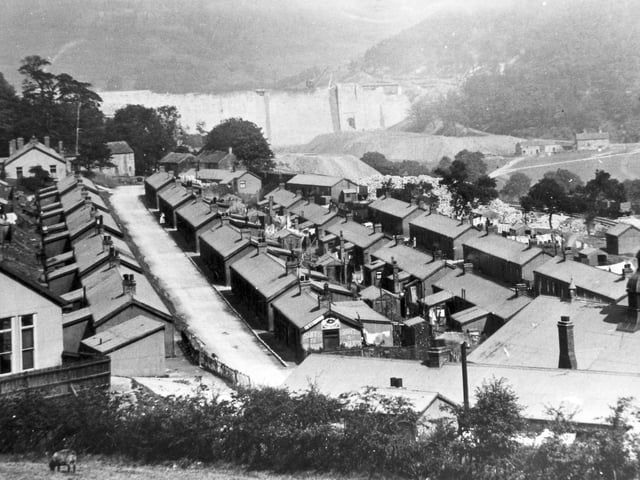
4. Village life
Birchinlee Village - the "Tin City" built for workmen constructing the Derwent Valley Dams - 1901-1914 Photo: Julia Armstrong